
If you feed fish oil, you have to feed vitamin E
Published
The mechanism, in one paragraph
Omega-3 fatty acids are long and highly unsaturated, and that is exactly what makes them biologically useful and chemically fragile. Those double bonds are vulnerable to oxidation, and once a chain begins oxidising it propagates. Vitamin E is the chain-breaker — it donates an electron to the free radical and halts the cascade.
So vitamin E requirement is not a fixed number. It rises with the polyunsaturated fat load in the diet. A bowl can carry a perfectly adequate vitamin E level for a lean chicken diet and be functionally deficient the moment you start adding sardines or a spoon of fish oil — the vitamin E did not fall, the demand rose.
What happens when it is not there
Wondering how this applies to your own pet? Build their bowl — two minutes, and it gives the exact grams for their weight.
Pansteatitis. The body's fat becomes inflamed and a waxy ceroid pigment is deposited in the fat cells — hence yellow fat disease. Clinically it is a cat that is off its food, feverish, reluctant to be touched or picked up, and painful over the abdomen and back. The subcutaneous fat can feel firm and lumpy.
Niza, Vilela & Ferreira (2003) reviewed feline pansteatitis and reported cases under the heading hazards of unbalanced home-made diets. The pattern in the literature is consistent: essentially all described cases relate to fish consumption, mainly oily fish such as tuna and sardine. In controlled work, steatitis appeared in cats fed vitamin-E-deficient diets containing tuna oil — and vitamin E gave complete protection.
That last clause is the useful one. This is not a mysterious sensitivity. It is an arithmetic problem with a known answer.
The Indian specifics
Two are worth naming.
Sardine and mackerel are the affordable oily fish here, and they are exactly the fish in the case literature. Our guidance on fresh whole oily fish is once a month or less, which keeps this comfortably out of range as an occasional food. A sardine-heavy weekly habit is a different proposition.
Heat and time accelerate oxidation. Fish oil left in a warm kitchen degrades, and a degraded oil is worse than useless — it arrives already oxidised and consumes antioxidant capacity rather than delivering benefit. If you keep fish oil, keep it cold, keep it dark, and throw it out when it smells sharp rather than clean. Rancid oil is not a lesser version of fresh oil.
What we do
Vitamin E and the EPA/DHA are supplied together, in a fixed relationship, because supplying either alone is the error. The vitamin E level is set against the polyunsaturated load the formulation carries rather than being a standalone number copied from a table — the ratio is the thing being controlled, and it is tracked across every simulation alongside calcium-to-phosphorus and zinc-to-copper.
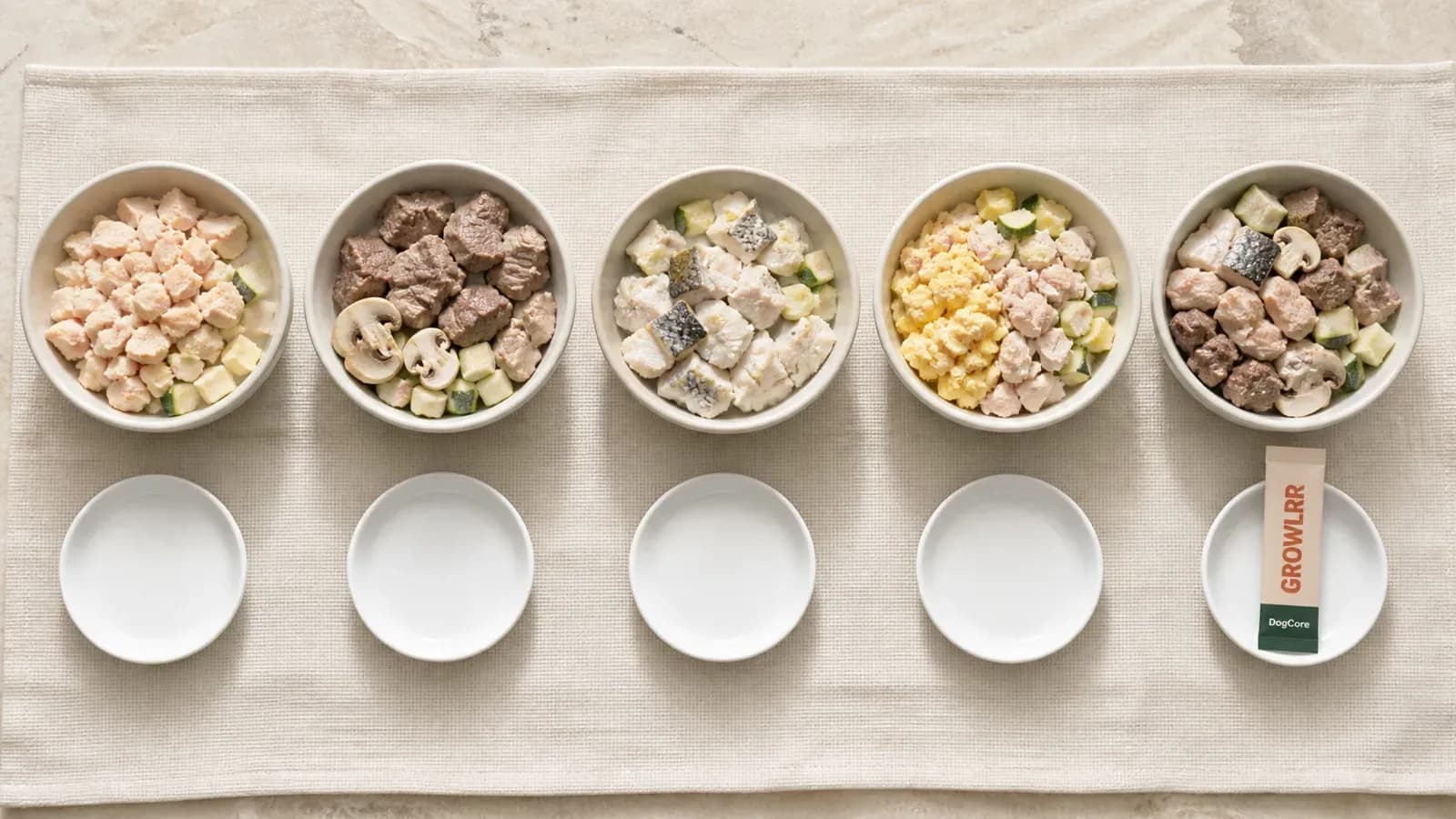
This is also why our base fish is tilapia. Tilapia is a lean protein and low in omega-3 — the sachet carries the EPA and DHA, in a known quantity, with its matching antioxidant. That is a duller answer than a bowl of sardines, and it is a controllable one.
Every figure is measured against NRC 2006.
References
- Niza, Vilela & Ferreira (2003). Feline pansteatitis revisited: hazards of unbalanced home-made diets. Journal of Feline Medicine and Surgery 5(5):271–277.
- National Research Council (NRC). Nutrient Requirements of Dogs and Cats. Washington, DC: National Academies Press; 2006 — vitamin E requirement scales with dietary polyunsaturated fatty acid intake.