
5 healthy homemade pet food recipes for dogs and cats
Published
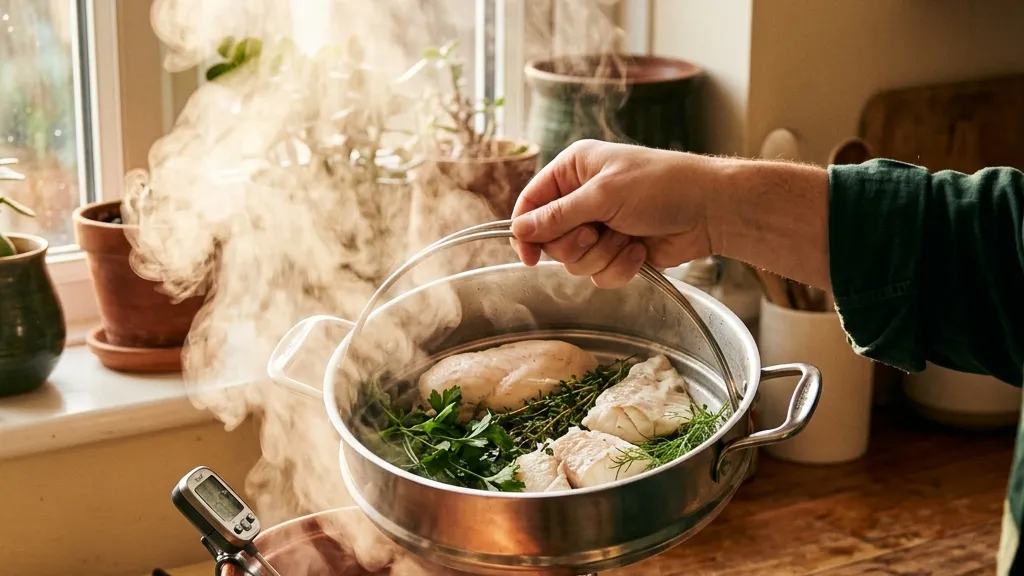
Short answer: you do not need five different recipes. You need one balanced bowl made from five ingredients, cooked the same way every day, and mastered. Below is that bowl, then five ways to serve it so neither of you gets bored, for dogs and for cats.
Why one recipe beats five
Every new recipe is a new chance to get the balance wrong. Pets do not need a menu. They need the same nutrients, in the same proportions, every day, from fresh food cooked well. A single recipe that you can shop for without a list, cook without thinking and weigh without guessing will feed your pet better than five that you rotate and approximate. Most days, one recipe executed perfectly is what satisfies them.
The one balanced bowl: five ingredients
Wondering how this applies to your own pet? Build their bowl — two minutes, and it gives the exact grams for their weight.
- Mutton, or another lean red meat, cooked.
- Chicken, cooked and boneless.
- Tilapia, or another boneless white fish, cooked.
- Egg, cooked.
- Vegetables such as pumpkin, carrot, beans or bottle gourd, cooked soft, with a little plain curd. This one is for dogs. Cats skip it.
All five are sold in any Indian market. Four proteins are used because each covers what another lacks. See the four proteins and why they go together. In the bowl we publish, at least 85% of a dog’s energy and at least 95% of a cat’s comes from the animal foods.
How much of each depends on body weight, so there are no gram amounts here. build the bowl for your pet’s weight and you get the daily share of each ingredient, and the number of BowlBalancer™ sachets that completes it. The sachets matter: meat, egg and vegetables cannot supply enough calcium in the right ratio to phosphorus, iodine, zinc, copper, vitamins D and E, or the omega-3 fats EPA and DHA. They are balanced to this bowl, not to other recipes. How to make homemade dog food complete and balanced.
How to cook it
Plain. No salt, onion, garlic or spice. Cook the meat, fish and egg through. No bones, and leave out liver and kidney. Cook the vegetables soft. Weigh each ingredient for the first few weeks; after that your hands will know. Cook for two or three days at a time and keep it in the fridge.
Five ways to serve the one bowl
1. The everyday bowl (dogs)
All five ingredients, mixed, split across the day’s meals, with the day’s sachets stirred in. This is the recipe for most days.
2. The everyday bowl (cats)
Mutton, chicken, fish and egg only, with the cat’s own sachets. No vegetables or curd. Cats need animal food for nearly all of their energy, and they need taurine added back after cooking. Taurine in homemade cat food.
3. The heart swap
Variety is the spice of life, and there is room for it. Up to about 10% of the bowl can be swapped for chicken, goat or beef heart. Heart is muscle, not an organ meat in the sense that liver and kidney are, and most dogs and cats love it. Keep the swap to that share and keep everything else the same.
4. The fish change
Swap the tilapia for another fresh, boneless fish of your choice: rohu, catla, basa, or small fish in season. Small fish over big, fresh over tinned, and tuna only a few times a year. Which fish are safe for dogs and cats in India.
5. The separate-plate day
Same ingredients, same amounts, served unmixed: egg in the morning, meat and fish in the evening, vegetables alongside for the dog. Some fussy eaters do better this way. The day’s total is what counts, not how it is arranged.
Can I cook this for my dog and my cat together?
Yes. One pot for the meat, fish and egg; take the cat’s share out first; then add the dog’s vegetables and curd. Each gets its own sachets. Can I feed my cat and dog the same homemade food?
What should never go in, whatever the recipe?
Onion, garlic, grapes, raisins, chocolate, xylitol, cooked bones and heavily spiced leftovers. The master list for Indian kitchens. If you are comparing other recipes you have found, these seven checks will tell you which ones to trust.