
What to feed an Indie (desi) dog — and street dogs in India
Published
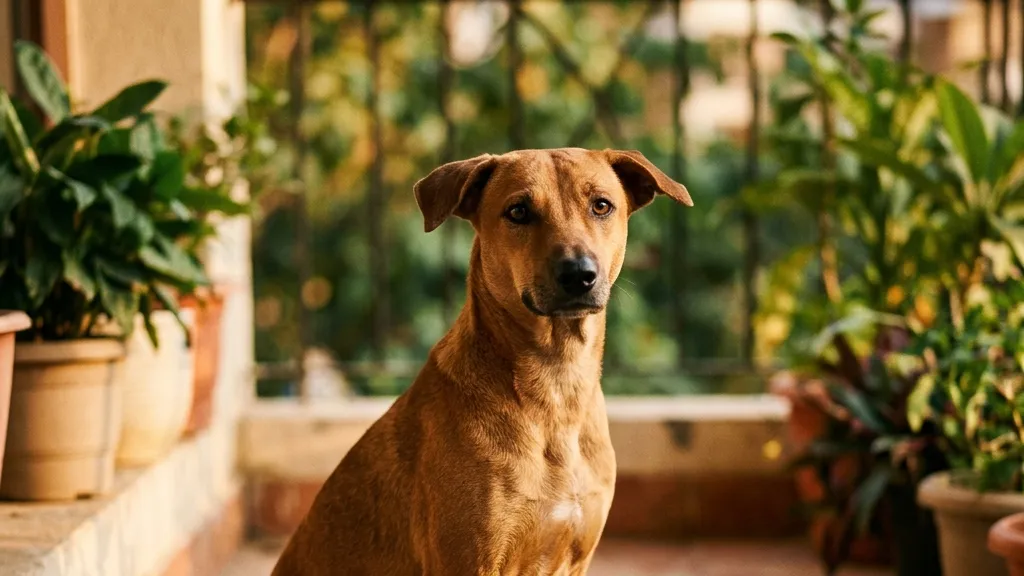
Short answer: an Indie does beautifully on fresh home food — cooked meat, a little rice and some vegetables — fed to a steady daily amount. They are not a delicate breed and they do not need imported food. The real risk is not fresh food; it is a bowl that is short of calcium, iodine, zinc and the marine omega-3s, which almost every home bowl is until it is corrected.
What is the best food for street dogs in India?
Cooked rice with cooked chicken or mutton scraps, and a little curd, is a good and affordable base — far better than biscuits or bread. Feed it plain: no masala, no salt, no onion, no garlic, and never cooked bones. If you feed several dogs, feed in separate spots so the quiet ones eat too, and put water down as well. Water matters more than most people feeding strays realise.
Do Indie dogs need different food from pedigree breeds?
Wondering how this applies to your own pet? Build their bowl — two minutes, and it gives the exact grams for their weight.
No. The nutrient requirements are the same; only the amounts change with body weight and activity. Indies are often more active and less prone to the joint and skin problems that dog the imported breeds, which is a reason to feed them well rather than a reason to feed them less.
What a good Indie bowl looks like
Anchor the bowl in animal protein — chicken and mutton or goat are the everyday staples, with egg and lean fish like tilapia adding variety. Indies do well on a moderate-fat, meat-forward bowl rounded out with a little cooked rice and some dog-safe vegetables for fibre. Keep it plain: no onion or garlic (both toxic to dogs), no heavy masala, no extra salt or sugar. Fresh, simple and varied is the goal.
Completing the bowl
This is where the fresh bowl becomes a complete diet. You keep cooking the simple, affordable Indie bowl you already make, and add one 5 g Growlrr BowlBalancer™ sachet dosed to your dog’s weight. The sachet carries the calcium balance, iodine, zinc, copper, vitamin D and E, and the omega-3 fatty acids EPA and DHA (from fish) that a meat bowl misses — correcting it to the NRC 2006 floors without changing the food you feed. Fresh, local and unprocessed, the way Indies have always eaten — just made nutritionally complete.
References
- National Research Council (NRC). Nutrient Requirements of Dogs and Cats. Washington, DC: National Academies Press; 2006.
- Association of American Feed Control Officials (AAFCO). Dog and Cat Food Nutrient Profiles (current edition).
- FEDIAF. Nutritional Guidelines for Complete and Complementary Pet Food for Cats and Dogs (current edition).
Build a complete bowl for your Indie →