
Can dogs and cats eat liver?
Published
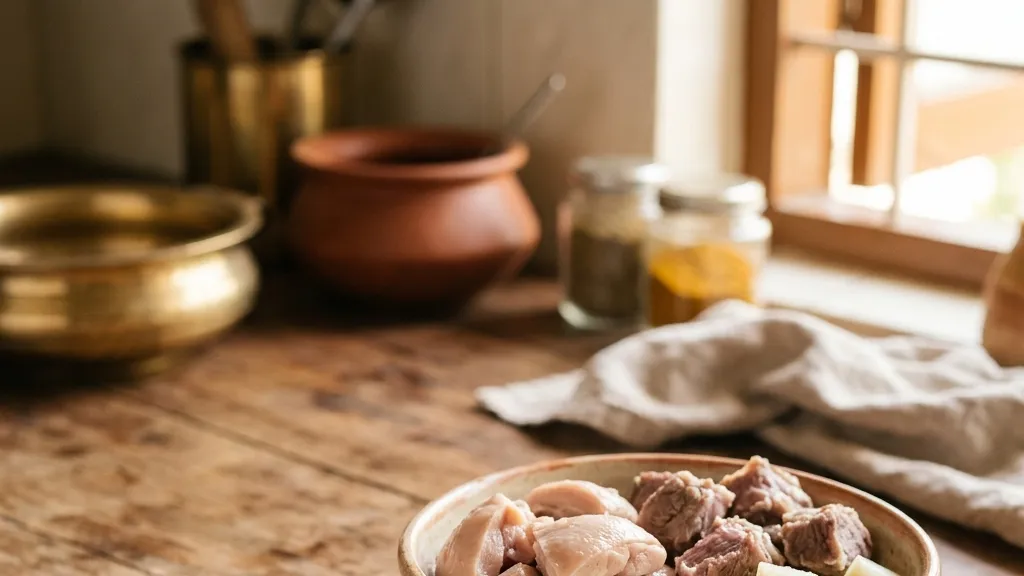
This is the question where the internet is least useful, because "organ meat is nature's multivitamin" and "liver is toxic" are both repeated confidently and neither is the answer.
Why liver is different from every other meat
The liver is where an animal stores fat-soluble vitamins and trace metals. That is its job. So a liver carries, per gram, many times what muscle meat does of exactly the nutrients that are dangerous in excess rather than merely wasteful.
Protein, iron, B12, folate — all genuinely excellent. Vitamin A and copper are where the care is needed, because both are fat-soluble or stored, both accumulate, and both have published safe upper limits rather than just requirements.
How much is fine
Wondering how this applies to your own pet? Build their bowl — two minutes, and it gives the exact grams for their weight.
A useful working figure: liver and organ together at no more than about 5% of the bowl, which for most animals means a small piece once or twice a week rather than a portion. Chicken liver and goat liver are both fine within that; goat is the richer of the two.
Cooked, never raw — the raw question is covered separately. Plain, no salt, no masala, nothing fried.
Why our own bowl leaves it out
This is the part people ask about, and the answer is specific rather than ideological.
Our correction sachet already carries a vitamin A load, and some of it is incidental: the palatant that makes the sachet taste of food is a chicken liver and heart hydrolysate. So vitamin A arrives whether we add it or not, and we formulate knowing that.
If the bowl also carried liver, we would be stacking a variable amount of a stored vitamin on top of a known amount — and the owner would have no way of knowing where they had landed. So organ meat is one of four exclusions in our specified bowl. The exclusion is a design decision, not a claim that liver is bad.
Put plainly: if you feed our sachet, do not also feed liver regularly. If you do not, liver in moderation is a good ingredient and always has been.
What liver is genuinely good for
As a training treat it is hard to beat — tiny pieces, very high value, and dogs will work for it. Heart is the better bulk treat though, because heart is muscle rather than organ: the taurine without the vitamin A problem.
As a way to get a sick or inappetent animal to eat, a small amount of liver is one of the most reliable things there is. That is a legitimate use and the quantities involved are not a concern.
The signs of too much, and they are slow
Chronic vitamin A excess in cats shows as stiffness and bone changes, particularly in the neck and forelimbs, and it takes months to years of a liver-heavy diet. Copper accumulation is a liver problem itself and shows up on bloodwork before it shows up in the animal. Both are slow, and both are easy to mistake for something else.
None of this is a reason to panic about a piece of liver. It is a reason not to make it a staple, and a reason to pick one source of these nutrients rather than three.
If you want to know where your current bowl actually sits, put it through the free checker before you change anything.